



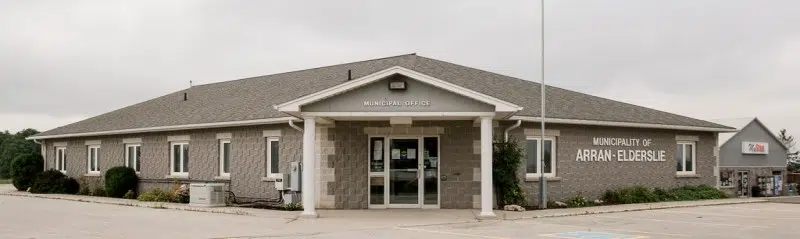
To help inform you about some of the perspectives of candidates running for mayor and council in the upcoming municipal election, Bayshore Broadcasting News sent questions to all those seeking office in municipalities across Grey and Bruce counties.
The questions and responses from Arran-Elderslie candidates are available below.
Mayor Candidates
This acclaimed candidate did not submit responses to the Q + A.
Deputy Mayor Candidates
1) Why are you running?
I am proud of the work we’ve accomplished this last term and want to continue working with the council, mayor, staff and community members to find creative ways to manage the challenges ahead and ensure Arran-Elderslie remains a great place to live, work and operate a business.
2) What current or past experience do you have that you believe applies to municipal governance?
This will be my second term as Deputy Mayor. In addition to the experience I bring as an entrepreneur and sitting on not-for-profit governance boards, including Grey Sauble Conservation Authority and SMART, I also attended municipal conferences annually, read extensively and took training during my first term to learn more about municipal governance.
3) Why do you believe you will be an effective decision-maker for Arran-Elderslie?
I come to decisions with an open mind and willingness to learn and an ability to look to the long term good of the municipality. I am not afraid to change my position on a subject when I learn new information or make unpopular decisions if I believe they are in the best interest of the municipality long-term.
4) What can a municipality do to help address cost of living concerns?
Responsible management of resources ensures each dollar is being used most effectively and not causing unnecessary burden. With housing & transportation being the two largest costs for people in Grey Bruce, focusing our efforts to enable more, lower cost housing options will hopefully have the biggest impact.
5) What is your view on the current tax rate in Arran-Elderslie?
I believe we have approved responsible budgets during this last term that provide the revenue to keep our municipality moving forward while also keeping the tax rate reasonable. I recognize that every cost increase is an extra burden on households and don’t take this for granted.
6) In your opinion, what is the No. 1 issue facing Arran-Elderslie?
Like many municipalities, being able to maintain our current infrastructure and services in the face of high, rising costs shouldered by a small tax base is by far the largest challenge facing Arran-Elderslie.
7) A regional transit study is currently being undertaken involving Bruce, Grey, Dufferin and Wellington counties -- what should a regional transit system look like and how should it be funded?
For this to work, we need to be bold and innovative and combine approaches, including ridesharing and on-demand options. Addressing all the challenges posed by rural transit is a wicked problem without a simple solution. I believe with courageous leaders willing to try something new, we will hopefully develop something that works. This is only possible though with stable, long-term provincial and local investment.
8) How would you address the need to maintain municipal services and infrastructure, without high tax increases for residents?
I am a big believer in maintaining and repairing what we have to extend the life as long as we can before replacement. Yet, municipal governments receive nine to ten cents of every tax dollar and are responsible for 60% of the infrastructure assets. This math does not work, and I refuse to accept we will need to reduce services. Upper levels of government must fund more infrastructure and we need more flexible funding models for municipal governments.
9) How can a municipality prepare for the possibility of artificial intelligence data centre developments in the coming years?
I support our municipality working with Bruce County to identify areas best suited for data centres and developing policy to outline the parameters for their establishment before projects come to the table.
10) What can a municipality do to help increase housing supply across the affordability spectrum?
Prioritizing in-fill and ensuring our official plan and planning policy allow for a diverse range of housing options are the two primary ways our municipality can encourage more affordable options.
11) Over the past several years, some rural hospitals like Chesley's have faced challenges to stay open. Do you think council has a role to play in supporting local healthcare? How?
Our council has been advocating to the province for rural healthcare over the last term when we’re able, but healthcare is a provincial responsibility and it should not be our responsibility. We are proud to partner with our local hospital and doctor recruitment foundation and support their efforts, but I believe this falls squarely on our local MPPs to stand up for our rural community and demand the province fund our rural hospitals and healthcare system.
12) What do you envision as being the key to successful economic development in Arran-Elderslie and its downtowns?
We need to focus primarily on what our community members need and want and work to make our downtowns attractive for these businesses to locate here. We also need to engage our existing businesses and community groups and work together to make improvements and beautify the downtowns. It’s a slow process but we have some fantastic spaces for businesses and wonderful things to celebrate in our towns.
Arran Ward Council Candidates
This acclaimed candidate did not submit responses to the Q + A.
Chesley Ward Council Candidates
1) Why are you running?
I’ve spent much of my life finding ways to serve my community. Whether through volunteer organizations, fundraising, local events, advocacy or my professional work, I’ve always believed that when you see something that needs doing, you should be willing to roll up your sleeves and help make it happen.
Running for municipal council feels like the natural next step in that evolution of community service.
Over the years, I’ve gained a greater understanding of how decisions made at the municipal level affect our everyday lives. I’ve also learned that good ideas aren’t enough on their own. It takes collaboration, determination and people willing to do the work to turn those ideas into reality.
I care deeply about Chesley and Arran-Elderslie. I want to see our communities thrive, our residents heard and our resources managed responsibly.
I’m not running because I believe I have all the answers. I’m running because I have the experience, the curiosity and the commitment to ask good questions, challenge assumptions and work toward solutions that benefit our community.
2) What current or past experience do you have that you believe applies to municipal governance?
My experience comes from a combination of professional management, community leadership, advocacy and volunteer service.
In my professional role with Supported Choices Inc., I work with individuals, families, staff and community partners. My responsibilities involve coordinating with other devices, managing resources, problem-solving and navigating systems that aren’t always straightforward.
Over the years, I’ve been involved with community organizations, school and nursery school boards, fundraising initiatives, local events and recreational activities. I’ve helped organize projects, recruit volunteers, manage competing priorities and bring people together around a common goal.
I have spent much of my adult life advocating for others including family and members of the community. It’s about people, partnerships, planning and understanding how decisions affect everyday lives. I believe my experience provides a strong foundation for that work.
3) Why do you believe you will be an effective decision-maker for Arran-Elderslie?
I’m not afraid to ask questions, including the uncomfortable ones.
I believe good decisions require accurate information, a clear understanding of the costs and consequences, and a willingness to consider perspectives that may be different from your own.
I also understand the difference between listening to advice and simply accepting it without question. Municipal staff bring important professional knowledge to the table, but council has a responsibility to examine recommendations, consider alternatives and ultimately make decisions on behalf of residents.
I won’t pretend to know everything. I’ll do my research, seek clarification when necessary and be prepared to explain the reasoning behind my decisions.
4. What can a municipality do to help address cost of living concerns?
Municipalities can’t control grocery prices, interest rates or most household expenses, but they absolutely have a role in making communities more affordable.
We can examine municipal fees and service costs, encourage housing options for different incomes and stages of life, support local businesses and look for opportunities to improve access to transportation, recreation and essential services.
We should also consider affordability when making decisions. A relatively small increase in a municipal fee or charge may seem insignificant in a budget, but for a family or senior already struggling, those increases add up.
Affordability isn’t just about taxation. It’s about whether people can afford to live, work and participate in their own community.
4) What can a municipality do to help address cost of living concerns?
Municipalities can’t control grocery prices, interest rates or most household expenses, but they absolutely have a role in making communities more affordable.
We can examine municipal fees and service costs, encourage housing options for different incomes and stages of life, support local businesses and look for opportunities to improve access to transportation, recreation and essential services.
We should also consider affordability when making decisions. A relatively small increase in a municipal fee or charge may seem insignificant in a budget, but for a family or senior already struggling, those increases add up.
Affordability isn’t just about taxation. It’s about whether people can afford to live, work and participate in their own community.
5) What is your view on the current tax rate in Arran-Elderslie?
I believe residents deserve to understand exactly what they’re paying for and why.
Maintaining municipal services and infrastructure costs money, and ignoring necessary maintenance today can create much greater expenses tomorrow. At the same time, taxpayers shouldn’t be expected to absorb increases without meaningful scrutiny of spending and priorities.
I want to see transparent budgeting, clear explanations of major expenditures and a willingness to evaluate whether we’re getting good value for the money being spent.
A responsible budget isn’t simply one with the lowest possible ta
6) In your opinion, what is the No. 1 issue facing Arran-Elderslie?
I believe one of our greatest challenges is ensuring our communities remain viable places to live, work, raise families and grow older.
That includes affordable housing, access to healthcare, sustainable infrastructure, local employment opportunities and vibrant downtowns. These issues are interconnected.
When a community loses essential services, businesses or opportunities for young families, the effects ripple outward. Our tax base, volunteer organizations, schools and local economy all feel the impact.
I believe our greatest priority should be planning for a sustainable future while protecting the things that make our communities worth calling home.
7) A regional transit study is currently being undertaken involving Bruce, Grey, Dufferin and Wellington counties -- what should a regional transit system look like and how should it be funded?
I strongly believe transportation is a significant issue in rural communities, particularly for seniors, people with disabilities, youth and anyone who doesn’t have access to a vehicle.
However, if Arran-Elderslie is going to participate in a regional transit system, the benefits need to extend beyond Allenford and the Highway 21 corridor. A system that passes near our municipality without meaningfully connecting communities like Chesley, Paisley and Tara would do little to address the transportation challenges facing many of our residents.
We need to look at where people actually need to go, including medical appointments, employment, education, shopping and essential services.
I’d like to see a combination of regional connections and flexible, on-demand services that could reach smaller communities where traditional fixed routes aren’t practical.
Funding should involve provincial and federal contributions, reasonable user fares and a fair cost-sharing model between participating municipalities.
Before committing municipal tax dollars, I would want to see clear evidence that the proposed system would serve our residents, along with realistic operating costs and expectations.
Regional transit has potential, but regional must mean more than serving communities already located along major highways.
8) How would you address the need to maintain municipal services and infrastructure, without high tax increases for residents?
First, we need to distinguish between what we need, what we want and what can reasonably wait.
Preventative maintenance, long-term asset management and realistic capital planning are essential. Deferring necessary work may make a budget look better today, but often results in higher costs later.
We should actively pursue grants and partnerships, explore shared services and review procurement practices to ensure local businesses have fair opportunities to compete.
I’d also like council to regularly review existing programs and expenditures rather than focusing only on new spending proposals.
We can’t promise to maintain or improve every service without costs increasing, but we can insist on careful planning, responsible priorities and accountability for how public money is spent.
9) How can a municipality prepare for the possibility of artificial intelligence data centre developments in the coming years?
I think the first step is education and preparation, rather than waiting until a development application lands on council’s desk.
Large data centres can create investment opportunities, but they can also place significant demands on electricity, water, land and local infrastructure. We need to understand those impacts and the potential benefits before making commitments.
I would support reviewing our planning policies, infrastructure capacity and applicable provincial regulations to ensure we have appropriate tools for assessing future proposals.
I would also want clear information about long-term employment opportunities, servicing costs, environmental impacts and who would ultimately pay for any required infrastructure upgrades.
New technology and economic development should be welcomed into the conversation, but not at the expense of responsible planning or our existing residents.
10) What can a municipality do to help increase housing supply across the affordability spectrum?
Housing affordability requires more than simply building additional houses. We need a variety of housing options that reflect different incomes, family sizes, abilities and stages of life.
That includes starter homes, rental housing, accessible housing, smaller homes and opportunities for seniors to downsize while remaining in their communities.
Municipalities can help by examining zoning restrictions, identifying development-ready land, improving the clarity and efficiency of approvals and ensuring infrastructure planning supports appropriate growth.
I also believe we need meaningful conversations with builders, developers and residents to better understand what barriers exist and what can realistically be changed at the municipal level.
We should encourage responsible development while making the process as clear, predictable and efficient as possible.
11) Over the past several years, some rural hospitals like Chesley's have faced challenges to stay open. Do you think council has a role to play in supporting local healthcare? How?
Absolutely. While municipalities don’t operate our hospitals or control provincial healthcare funding, that doesn’t mean council should stand on the sidelines.
Our hospitals and healthcare providers are essential to the long-term health and sustainability of our communities.
Municipal council can be an effective advocate, working with healthcare organizations, neighbouring municipalities, provincial representatives and community partners to identify needs and push for solutions.
We can also support efforts to attract and retain healthcare professionals by helping make our communities attractive places to live and work.
Having watched the challenges facing the Chesley hospital, I believe a strong and consistent municipal voice is important. Healthcare may not be a direct municipal responsibility, but the wellbeing of our residents certainly matters to municipal government.
12) What do you envision as being the key to successful economic development in Arran-Elderslie and its downtowns?
I believe successful economic development starts by recognizing and building on what we already have: local businesses, skilled people, community organizations, distinctive downtowns and residents who are willing to invest their time and energy.
I’d like to see a stronger partnership between the municipality, business associations and local entrepreneurs to identify opportunities and remove unnecessary barriers.
One idea I’ve been exploring is a community business development initiative inspired by programs that invite entrepreneurs to pitch ideas for investment, mentorship and local support. Working with organizations like the Arran-Elderslie Community Business Association, this could encourage new businesses while involving our existing business community in their success.
We also need to pay attention to the appearance, accessibility and identity of our downtowns. Vacant storefronts, aging infrastructure and changing shopping habits present challenges, but also opportunities for creative solutions.
Economic development doesn’t always require an enormous investment. Sometimes it starts with making it easier for someone with a good idea to turn it into a successful local business.
This candidate did not submit responses to the Q + A.
This candidate did not submit responses to the Q + A.
Elderslie Ward Council Candidates
This candidate did not submit responses to the Q + A.
This candidate did not submit responses to the Q + A.
Paisley Ward Council Candidates
This candidate did not submit responses to the Q + A.
1) Why are you running?
I have always been interested in community service and leadership – running for council felt like a way to do both.
2) What current or past experience do you have that you believe applies to municipal governance?
I‘ve had 43 years of experience in healthcare and I have served my community for 20 years. I have also been attending Arran-Elderslie council meetings and I have attended a few Bruce County Council meetings as well as reviewed previous minutes of our municipal council to get an idea of what I am getting myself into.
3) Why do you believe you will be an effective decision-maker for Arran-Elderslie?
Through my community service and by going door-to-door and asking my constituents what their concerns are I feel that I have a sense of what people are looking for in Arran-Elderslie.
4) What can a municipality do to help address cost of living concerns?
I think that the municipality can help address cost of living concerns by holding increases to property taxes. If necessary, put more non-essential projects on hold and prioritize what is needed immediately – just like a house-holder would do with regular finances.
5) What is your view on the current tax rate in Arran-Elderslie?
I have had a few complaints about the current tax rate in Paisley but I also know that constituents want changes to infrastructure and that there are also expensive maintenance projects and new builds coming up in the future.
6) In your opinion, what is the No. 1 issue facing Arran-Elderslie?
The number one thing that is affecting Arran-Elderslie is traffic. Traffic through our countryside and through our towns. It seems to get faster and faster, especially in our towns where children are trying to get safely to school or elderly people are trying to get to the pharmacy or the post office.
7) A regional transit study is currently being undertaken involving Bruce, Grey, Dufferin and Wellington counties -- what should a regional transit system look like and how should it be funded?
From what the proposed transit system will have three routes. I am not sure if it will intersect Arran-Elderslie at any point but I would be interested in that. I think this would be a a good fit for Arran-Elderslie as many people cannot afford a car or don‘t have a driver‘s licence. In a time when gasoline and diesel prices are becoming higher and higher I think this would help people get around a large area. My question is whether it will have stops convenient to Arran-Elderslie. I remember hearing that Bruce Power was offering possible transportation grants – with their help and money from the municipalities and counties and a fee for travel I think this might work – although if buses or vans are constantly traveling empty this may be a negative to keeping the system running. I think a survey out to the community would be great to get an idea of this
8) How would you address the need to maintain municipal services and infrastructure, without high tax increases for residents?
I would hold the tax rate but I am afraid this might curtail growth in economic development. Perhaps if there could be an incremental increase rather than the regular increase it would be better. Ontario municipal taxation is the second highest in the country at $2,200./capita. Municipalities rely primarily on property taxes to generate revenue to conduct their business.
9) How can a municipality prepare for the possibility of artificial intelligence data centre developments in the coming years?
I have heard that data centers require large quantities of electricity and water. I believe that more research on the effects of AI and the impact the centers will have on the climate and area electricity and water usage is necessary. Additionally, generative AI does require more resources. It was also said to me that it is best to have your data center close to you so that you can control it. Not really a complete answer but more research is required.
10) What can a municipality do to help increase housing supply across the affordability spectrum?
I remember a time when housing developments were planned, a portion would be allocated (5-10%) for subsidized housing. According to the Poverty 101 that I took from the United Way of Grey Bruce we learned that housing was the second most important determinant of health for low-income households
11) Over the past several years, some rural hospitals like Chesley's have faced challenges to stay open. Do you think council has a role to play in supporting local healthcare? How?
The previous Municipal council for Arran-Elderslie supported recruitment in Chesley by providing financial incentives, clinical space, equipment and other support intended to encourage physicians to establish and maintain a practice in Chesley.
12) What do you envision as being the key to successful economic development in Arran-Elderslie and its downtowns?
I think the key is making it easier and less time-consuming to bring business to the area by making incentives to use already vacant stores. I went to the Teeny Tiny Summit in Clifford this past May to get an idea of how to revitalize a downtown with many vacant storefronts. My takeaway was making lifelike clings to go on the windows of these vacant storefront with possible ideas of what could go in the space. It seemed to inspire businesses in a few smaller towns.
1) Why are you running?
I’m running because residents deserve a municipal government that listens, communicates openly and delivers results. My concern isn’t simply what we spend, but what taxpayers receive. I believe in stronger accountability, welcoming different perspectives and finding practical solutions that put residents first.
2) What current or past experience do you have that you believe applies to municipal governance?
I bring experience in system analysis, education and conflict resolution. I hold an MBA specializing in Human Resources and a Master’s degree in Forensic Psychology. As a business owner and accredited family mediator, I manage complex information and competing interests. I also develop professional frameworks and teach internationally on dispute resolution and trauma-informed practices in the family law sector.
3) Why do you believe you will be an effective decision-maker for Arran-Elderslie?
I examine evidence, ask questions and consider alternatives before reaching conclusions. Council should set priorities, monitor results and hold administration accountable while respecting staff’s operational responsibilities. I’m comfortable challenging assumptions and changing my position when better evidence emerges. Good leadership means finding what is right, not insisting you are right.
4) What can a municipality do to help address cost of living concerns?
Municipalities can’t control inflation, but they can manage local spending. I would scrutinize costs, reduce duplication, improve procurement and pursue funding opportunities. Supporting diverse housing options and local businesses also matters. Affordability should guide every budget decision, with existing resources used effectively before asking residents to pay more.
5) What is your view on the current tax rate in Arran-Elderslie?
My concern is whether residents receive value for what they pay. Essential services and infrastructure require responsible taxation, but increases must be justified through transparent budgets, realistic forecasts and measurable results. Before raising taxes, we should demonstrate that existing resources are being used efficiently. Residents shouldn’t have to become financial investigators to understand where their money goes.
6) In your opinion, what is the No. 1 issue facing Arran-Elderslie?
Accountability in managing public resources. Our municipality has already invested in strategic and economic development plans identifying priorities and performance measures. We need stronger implementation and public reporting so residents can see what’s completed, what’s outstanding and what their investment achieved. Accountability isn’t about blame; it’s about improving services and ensuring public money delivers public value.
7) A regional transit study is currently being undertaken involving Bruce, Grey, Dufferin and Wellington counties -- what should a regional transit system look like and how should it be funded?
Rural transit should connect residents to healthcare, employment, education and essential services. I support scheduled intercommunity routes combined with accessible, on-demand transportation for smaller communities, coordinated with existing providers.
Funding should involve provincial support, reasonable fares and fair regional cost-sharing. Ridership, accessibility and long-term operating costs must be evaluated before permanent commitments. Transit needs to serve residents without creating an unsustainable tax burden. I would need to look deeper into this to give a fair answer.
8) How would you address the need to maintain municipal services and infrastructure, without high tax increases for residents?
We need preventative maintenance, realistic budgeting and long-term asset management. Delayed repairs often become expensive replacements.
I would prioritize projects based on safety, condition and lifecycle costs, while publicly tracking approved budgets, timelines and progress. We should implement existing plans, improve competitive procurement and pursue available funding.
Responsible infrastructure management means preventing unnecessary costs rather than passing them to future taxpayers. It also means avoiding redundant studies or addressing the same concerns multiple times, as this forces taxpayers to pay repeatedly. A tracking system on projects, resolutions, closed loop public information and a decision-making checklist to ensure best practices and all legislative requirements are met is an effective and easy solution.
9) How can a municipality prepare for the possibility of artificial intelligence data centre developments in the coming years?
AI data centres may offer investment opportunities, but their impacts on public health, water, electricity, the environment and municipal infrastructure must be carefully examined.
Meaningful community consultation must be central to the process. Decisions of this magnitude shouldn’t be made by council alone without residents having a genuine opportunity to understand the risks, ask questions and influence outcomes.
Developers should demonstrate community benefits, address health and environmental concerns and pay their appropriate infrastructure costs.
Economic development must never come at the expense of community well-being or essential resources.
10) What can a municipality do to help increase housing supply across the affordability spectrum?
We need starter homes, rentals, accessible housing and options for seniors downsizing. Council can review zoning barriers, support appropriate infill and secondary units, and improve planning and permit processes.
Our existing strategic plan already identifies housing supply and permit approval times as performance measures. I would focus on implementing those commitments, working with Bruce County and housing providers, and ensuring development is supported by adequate infrastructure.
11) Over the past several years, some rural hospitals like Chesley's have faced challenges to stay open. Do you think council has a role to play in supporting local healthcare? How?
Absolutely. While healthcare is primarily a provincial responsibility, municipalities must advocate for their communities.
Chesley’s emergency department challenges show how vulnerable rural healthcare access can become. Council should collaborate with healthcare providers, support recruitment and retention, advocate for reliable emergency services and address practical barriers such as housing and transportation.
Rural residents deserve dependable healthcare, and council must be an active, informed advocate.
12) What do you envision as being the key to successful economic development in Arran-Elderslie and its downtowns?
Implementation, accountability and supporting local businesses.
We’ve already invested in economic development strategies. It’s time to deliver results.
One priority is reversing the 2025 procurement policy changes that reduced opportunities for open, fair and competitive bidding. Local businesses deserve a fair chance to compete for municipal contracts, and taxpayers deserve transparent purchasing practices.
I would also reduce barriers for businesses, revitalize vacant downtown properties and attract investment to Paisley, Chesley and Tara.
Success should be measured by businesses growing, jobs created and investment attracted, not simply how much we spend promoting growth.
Tara Ward Council Candidates
1) Why are you running?
I’m running because I care about Arran-Elderslie and I believe it’s important for people to step up and contribute to the communities they call home.
Having grown up in Chesley and now living in Tara, I’ve experienced firsthand the strengths of different parts of our municipality. That perspective has reinforced my belief that while our communities each have their own identity and priorities, we’re strongest when we work together as one municipality.
I also think we need a broader range of voices around the council table. As someone in my mid-40s, I bring a perspective that reflects many residents who are balancing careers, raising families, supporting aging parents, and planning for the future.
I believe my generation needs to become more involved in our communities. It’s easy to say we’re too busy, and many of us are, but strong communities depend on people being willing to make the time and put in the effort to contribute. Whether that’s volunteering, serving on committees, or running for council, community involvement matters.
I also believe strong female leadership matters. It’s important that young women and girls see themselves represented and know their voices belong at the decision-making table.
2) What current or past experience do you have that you believe applies to municipal governance?
My current experience with the Ontario Ministry of Natural Resources directly aligns with many of the responsibilities found in municipal government. As an IRM Technical Specialist, I provide technical leadership and support for land use and resource management programs, including aggregates, Crown land management, compliance monitoring, and policy implementation. I regularly coordinate with internal staff, industry partners, and the public to ensure consistent application of legislation, policies, and operational procedures.
A significant part of my role involves reviewing and providing technical advice on planning and resource management initiatives, supporting compliance and audit activities, and helping resolve complex issues through collaboration and stakeholder engagement. I also prepare technical reports, correspondence, briefing materials, and responses to public inquiries, which has strengthened my customer service and communication skills.
In addition, I have experience supporting cross-functional projects, managing competing priorities, monitoring program outcomes, and providing guidance to colleagues and clients. Through this work, I have developed a strong understanding of regulatory frameworks, land use planning considerations, public service delivery, and relationship management. These experiences have provided me with skills that are directly transferable to municipal government, particularly in areas involving planning, environmental stewardship, compliance, stakeholder engagement, and service to the public.
3) Why do you believe you will be an effective decision-maker for Arran-Elderslie?
I believe I will be an effective decision-maker for Arran-Elderslie because my career has been built on balancing technical expertise, public interests, and responsible stewardship of resources. In my role with the Ministry of Natural Resources, I routinely analyze complex information, assess risks, interpret legislation and policy, and make recommendations that impact communities, stakeholders, and the environment.
I have extensive experience working to find practical solutions to challenging issues. This has strengthened my ability to listen to diverse perspectives, communicate clearly, and make fair, informed decisions based on evidence rather than opinion.
I also understand the importance of accountability, transparency, and fiscal responsibility. Through managing projects, monitoring program outcomes, and supporting compliance activities, I have developed strong skills in prioritizing resources and ensuring decisions achieve desired results.
As a resident of the area and a public servant, I am committed to serving the community with integrity and professionalism. I would bring a collaborative, thoughtful, and balanced approach to Council, ensuring decisions support sustainable growth, protect community interests, and contribute to the long-term success of Arran-Elderslie.
4) What can a municipality do to help address cost of living concerns?
I don’t think municipalities can solve the cost-of-living challenge on their own, but they can make decisions that help keep costs manageable for residents. One of the biggest things council controls is property taxes, so I believe it’s important to spend responsibly, look for grant opportunities, and make sure taxpayers are getting good value for their money.
Council can also help by supporting more housing options, reducing unnecessary delays for development, and creating an environment where local businesses can grow and succeed. Strong local businesses mean local jobs and a stronger community.
In a rural municipality like Arran-Elderslie, maintaining roads, improving internet access, and investing in infrastructure are also important because they support both residents and economic growth.
I also think municipalities have a role in supporting affordable recreation programs, community events, and services that make life a little easier for families and seniors.
At the end of the day, my approach would be to focus on practical, common-sense decisions that keep taxes reasonable, support growth, and help make Arran-Elderslie an affordable place to live, work, and raise a family.
5) What is your view on the current tax rate in Arran-Elderslie?
I understand that many residents are concerned about the current tax rate, especially with the rising cost of living. While I believe council should always look for ways to spend efficiently and keep tax increases as reasonable as possible, I also think we need to do a better job explaining where tax dollars are going and why certain spending decisions are made.
One example is policing costs. OPP services make up a significant portion of the municipal budget, but many residents may not fully understand what those costs cover. Rather than viewing them only as an expense, I think it’s important to recognize the value of having professional police services that help keep our communities safe and support emergency response when residents need it most.
I would like to see more communication from the municipality, using plain language and real examples, so residents can better understand budget decisions and the services they receive for their tax dollars.
My view is that taxpayers deserve both responsible financial management and transparency. When people understand the reasons behind decisions, it builds trust and helps create more productive conversations about the future of Arran-Elderslie.
6) In your opinion, what is the No. 1 issue facing Arran-Elderslie?
In my opinion, the number one issue facing Arran-Elderslie is balancing the needs and priorities of our amalgamated communities. Residents in Chesley, Tara, Paisley, and our rural areas all have different perspectives, needs, and expectations, and it can be challenging to ensure everyone feels heard and represented.
Council is often faced with difficult decisions about where to invest limited resources. Whether it’s roads, recreation facilities, economic development, housing, or community services, there will always be competing priorities and not enough funding to do everything at once.
I believe the key is making decisions that benefit the municipality as a whole while being transparent about how and why those decisions are made. Residents may not always agree with every decision, but they deserve to understand the reasoning behind it.
Moving forward, I think Arran-Elderslie’s success will depend on strong communication, collaboration, and a shared vision that respects the unique character of each community while recognizing that we are strongest when we work together as one municipality.
7) A regional transit study is currently being undertaken involving Bruce, Grey, Dufferin and Wellington counties -- what should a regional transit system look like and how should it be funded?
A regional transit system needs to reflect the reality that we’re a large rural area with smaller communities spread over a lot of kilometres. I don’t think a city-style transit system with buses running frequent fixed routes is practical or affordable for our region.
What makes more sense to me is a system that connects people to key destinations such as Owen Sound, Walkerton, Hanover, and other regional hubs for work, healthcare appointments, education, shopping, and government services. A mix of scheduled routes and on-demand transit could help meet different needs while keeping costs under control.
When it comes to funding, I don’t believe the cost should fall solely on municipal taxpayers. Any regional transit system should be supported through a combination of provincial and federal funding, user fees, and contributions from participating municipalities. The funding model should be fair and recognize that some communities will use the service more than others.
Before committing significant dollars, I’d want to see clear evidence that the service is filling a real need, is financially sustainable, and provides value for residents. The goal should be improving access to essential services and opportunities while being mindful of the financial realities facing rural municipalities and taxpayers
8) How would you address the need to maintain municipal services and infrastructure, without high tax increases for residents?
Maintaining services and infrastructure while keeping taxes affordable is one of the key challenges any council faces. I don’t think there’s one easy answer, but I do think it starts with making smart decisions, setting clear priorities, and making sure we’re getting good value for every tax dollar spent.
We need to plan ahead when it comes to roads, bridges, and other infrastructure. It’s usually much cheaper to maintain something before it becomes a major repair or replacement project. We also need to be aggressive in pursuing provincial and federal funding opportunities whenever they’re available.
I think it’s important to regularly review how we deliver services and look for efficiencies, partnerships, and shared opportunities with neighbouring municipalities where it makes sense. That doesn’t mean cutting services, it means finding better ways to deliver them.
I also believe municipalities need to think more creatively about generating revenue. We can’t keep relying on property taxes alone. Attracting new businesses, encouraging growth, making better use of municipal assets, supporting tourism, and exploring partnerships can all help bring in revenue and strengthen our tax base.
At the end of the day, I want residents to know their money is being spent wisely. By planning ahead, looking for outside funding, encouraging growth, and being transparent about our decisions, I think we can maintain the services people rely on while keeping tax increases as reasonable as possible.
9) How can a municipality prepare for the possibility of artificial intelligence data centre developments in the coming years?
Right now, the Province is still working out its own framework for how data centres should be approved, serviced, and regulated, so it’s important to be clear that Arran-Elderslie has not been approached by any company looking to build one here. Our involvement so far has only been through the Province’s consultation process, where we submitted comments to highlight the realities small municipalities face. We’ve already seen how technically complex projects, like the recent battery storage proposal, can strain staff capacity, require outside experts, and create uncertainty for residents. That experience is exactly why I think smaller municipalities need to be cautious: data centres demand major hydro capacity, environmental safeguards, emergency planning, and long-term infrastructure commitments. Until the Province finalizes its rules and provides clear support for rural communities, the responsible position is
Bayshore Broadcasting Candidate Questionnaire
bayshorebroadcasting.ca
to stay informed, protect our planning authority, and ensure we’re not overwhelmed by proposals we aren’t resourced to evaluate properly.
10) What can a municipality do to help increase housing supply across the affordability spectrum?
I believe municipalities have an important role to play in increasing housing supply because many of the tools are already available through land use planning.
The Official Plan guides how and where growth happens, and it’s not a static document. It can be amended as community needs change. As we plan for the future, we need to make sure our Official Plan remains consistent with the Provincial Planning Statement while also reflecting the housing needs of Arran-Elderslie.
Just as important, our zoning by-laws need to support that vision. If we’re serious about creating more housing options, we need to make sure our planning policies and zoning aren’t creating unnecessary barriers to development. We should be encouraging a mix of housing types for young families, seniors, first-time homebuyers, and local workers.
Inclusionary zoning is one tool that can help increase the supply of affordable housing by ensuring affordable units are included as part of new developments. We should also be looking at ways to reduce unnecessary red tape and improve approval timelines because delays add costs that are ultimately passed on to buyers and renters.
I also think it’s important to continue working with developers, builders, and other community partners to better understand the challenges they face and identify practical solutions together. To me, it’s about using the planning tools we already have to support responsible growth and increase housing choice in Arran-Elderslie.
11) Over the past several years, some rural hospitals like Chesley's have faced challenges to stay open. Do you think council has a role to play in supporting local healthcare? How?
Over the past several years, some rural hospitals like Chesley’s have faced challenges to stay open. Do you think council has a role to play in supporting local healthcare? How?
I absolutely believe council has a role to play in supporting local healthcare. While municipalities don’t operate hospitals, they can be strong advocates and partners for the services our residents depend on.
This issue is personal for me. I grew up in Chesley, and my family doctor recently retired after caring for me for nearly 40 years. Having access to a local physician for most of my life gave me a real appreciation for the importance of strong healthcare services close to home.
Rural hospitals like Chesley are critical to our communities. They provide access to emergency care, support local families and seniors, and help attract and retain residents, businesses, and healthcare professionals.
I think council’s role is to work collaboratively with the Chesley Hospital Foundation, healthcare providers, neighbouring municipalities, and senior levels of government to help ensure healthcare services remain available and sustainable. One area where municipalities can make a real difference is supporting physician recruitment and retention. We know it’s challenging to attract healthcare professionals to rural communities, so anything we can do to make Arran-Elderslie an attractive place to live, work, and raise a family is important.
Healthcare affects everyone. While council can’t solve every challenge, I believe we have a responsibility to support our healthcare partners, advocate for our community, and help create the conditions that allow healthcare services to thrive close to home.
12) What do you envision as being the key to successful economic development in Arran-Elderslie and its downtowns?
I believe successful economic development in Arran-Elderslie starts with creating the right conditions for businesses to invest and grow. That means having commercial and industrial land available, ensuring our zoning supports development, and reducing unnecessary red tape that can slow down investment and new opportunities.
We also need to take advantage of the opportunities that come with being part of a growing region. With continued economic activity across Bruce County, Arran-Elderslie should be actively promoting itself as a great place to live, work, and do business. Land use planning plays an important role by ensuring we have space available for residential, commercial, and industrial growth where it makes sense.
At the same time, economic development isn’t just about attracting new businesses. It’s about supporting the businesses, organizations, and traditions that are already here. Our downtowns, small businesses, fall fairs, craft fairs, minor sports associations, and community events all contribute to the vibrancy of our communities and help make Arran-Elderslie a place where people want to live and raise a family.
I support continuing programs such as the Community Improvement Plan and rural improvement grants because they help businesses invest in their properties and strengthen our downtowns. To me, successful economic development is about reducing barriers, encouraging investment, supporting local businesses, and preserving the community culture that makes Arran-Elderslie unique.
Disclaimer: The views expressed in this questionnaire are solely my own and are provided in my capacity as a candidate for municipal office. They do not reflect the positions, policies, or opinions of my employer, the Ontario Public Service, or any other organization with which I may be associated.
1) Why are you running?
I’m running to give Tara a strong, effective voice on Council and bring energy, practical judgment, fiscal responsibility and a proactive approach to solving problems.
Arran-Elderslie is my home, and I want it to remain a place where people can afford to live, raise families, operate businesses and retire comfortably. That requires safe roads, reliable infrastructure, responsible spending and a municipal government that listens and explains its decisions.
My priorities include addressing speeding, advancing solutions for closed bridges, supporting housing development and making municipal information easier to access and understand.
I believe residents deserve representatives who ask thoughtful questions, follow through on concerns and make decisions in the public interest. I will represent Tara while respecting my responsibility to the entire municipality.
I’m seeking the opportunity to serve my community. If elected, I have pledged to serve no more than two terms as Tara Ward Councillor.
2) What current or past experience do you have that you believe applies to municipal governance?
Working for a non-profit housing organization in Owen Sound, I work with the practical challenges of maintaining affordable housing, managing resources, planning capital improvements and balancing immediate needs with long-term responsibilities.
My paralegal education provides a foundation in governance, regulatory compliance and understanding the obligations that accompany public decision-making. My background also includes public and private finance, infrastructure and capital planning, risk management and stakeholder relations.
I have owned small businesses, worked for major corporations and been part of the team that built the Carolina Panthers’ NFL stadium. Those experiences exposed me to different approaches to managing projects, coordinating people and resolving problems.
Municipal governance requires sound judgment about budgets, infrastructure, policies and competing priorities. My experience has taught me to ask questions, examine costs and risks, listen to the people affected and take responsibility for results. Those are skills I would bring to Council.
3) Why do you believe you will be an effective decision-maker for Arran-Elderslie?
I approach decisions by defining the problem, gathering reliable information, listening to those affected and comparing realistic options.
Before supporting a proposal, I want to understand its full cost, the alternatives, the risks and the consequences of delaying action. A low initial price does not necessarily mean good value, particularly when ongoing operating and maintenance costs are involved.
I will respect the expertise of municipal staff while asking the questions residents expect their representatives to ask. I am prepared to reconsider my position when the evidence supports a better approach.
Effective decision-making also requires collaboration. I will work respectfully with fellow councillors, staff, residents and community partners, including those who disagree with me.
My responsibility will be to the public interest. I will explain my decisions, acknowledge trade-offs and follow up on whether approved actions achieve their intended results. Residents should be able to understand both what Council decided and why.
4) What can a municipality do to help address cost of living concerns?
A municipality can help by controlling the costs it influences and making it easier for residents to access housing, employment and essential services.
That starts with disciplined budgeting. Council should examine spending carefully, review fees and protect affordable access to recreation and community facilities. Moving costs from property taxes into higher user fees can still leave households paying more.
Housing is another priority. Supporting a wider range of homes, including rentals, smaller homes and non-profit co-operative housing, can give residents more options at different stages of life.
Practical transportation options can reduce the burden of reaching work, medical appointments and shopping. Supporting local employers and businesses can also help residents earn a living closer to home.
I would assess municipal decisions through an affordability lens: what will this cost residents, who will benefit and is there a more economical way to achieve the same result?
Council cannot control every household expense, but it can make responsible choices within its authority.
5) What is your view on the current tax rate in Arran-Elderslie?
I believe the current tax burden deserves close scrutiny. Residents should receive clear evidence that their money is being spent efficiently and that increases are necessary.
A tax rate alone does not tell the whole story. Council must consider the actual household bill, user fees, service levels and whether infrastructure is being properly maintained. Property tax bills also include municipal, county and education components, so residents deserve clarity about which decisions Council controls.
I would not promise an arbitrary tax freeze without understanding its consequences. Deferring necessary maintenance can create larger bills later. However, I would expect every proposed increase to be supported by a clear explanation of the need, alternatives considered and efforts to reduce costs.
My approach would be to challenge avoidable spending, improve long-term planning and encourage development that strengthens municipal finances.
Taxpayers deserve affordable, predictable bills and reliable services. Council’s job is to pursue both through careful management and transparent decisions.
6) In your opinion, what is the No. 1 issue facing Arran-Elderslie?
In my opinion, the No. 1 issue is maintaining and renewing essential infrastructure at a cost residents can afford.
Roads, bridges, water and wastewater systems support daily life, public safety and economic development. When infrastructure becomes unreliable or necessary work is delayed, residents and businesses face consequences through detours, lost time, additional expenses and uncertainty.
Closed bridges are a particular concern because their effects extend beyond the immediate location. They can change traffic patterns and create difficulties for farmers, businesses and residents.
We need a clear, publicly understandable plan showing what work is required, how projects are prioritized, what they will cost and how they will be funded. Priorities should reflect safety, condition and community impact.
Addressing infrastructure responsibly also supports housing and business growth. My focus would be on timely action, realistic funding and accountability for delivery, while keeping the financial pressure on residents firmly in view.
7) A regional transit study is currently being undertaken involving Bruce, Grey, Dufferin and Wellington counties -- what should a regional transit system look like and how should it be funded?
This study is currently being presented at the county level. I will reserve my position until I have had the opportunity to review the complete study.
8) How would you address the need to maintain municipal services and infrastructure, without high tax increases for residents?
I would begin with a realistic, multi-year plan connecting service needs, infrastructure conditions and available funding. Planning ahead gives Council more options and reduces the risk of expensive emergency work.
Preventive maintenance, coordinated construction schedules and competitive procurement should be priorities. We should also examine shared purchasing, equipment and services with neighbouring municipalities where the savings are clear and service quality is protected.
Grants can help fund capital projects, but we must account for the ongoing costs after construction. Reserves and borrowing should be managed carefully, with clear purposes and affordable repayment plans.
Appropriate housing and business development can strengthen the tax base, provided the revenue and community benefits justify the additional servicing costs.
I would review programs and administrative processes for measurable improvements while protecting essential services. Moving costs into fees or postponing repairs does not necessarily save residents money.
I cannot promise that taxes will never rise. I can commit to scrutinizing increases, explaining the choices and pursuing the best long-term value.
9) How can a municipality prepare for the possibility of artificial intelligence data centre developments in the coming years?
A municipality should establish its expectations before a major data centre proposal arrives.
Working with Bruce County, provincial agencies and utility providers, we should assess suitable locations, electricity availability, water requirements, servicing capacity and potential effects on neighbouring properties.
Any proposal should undergo a thorough review of noise, cooling systems, backup generators, environmental impacts and emergency response needs. Council should also seek credible estimates of permanent employment, tax revenue and municipal costs, distinguishing construction activity from lasting benefits.
Within municipal authority, developers should be responsible for the costs their projects create. Residents should not inherit unfunded infrastructure obligations or financial risks.
I would favour efficient designs that minimize water use and protect resources needed for homes, farms and existing businesses. Public consultation should begin early, with understandable information about benefits and impacts.
I would consider a proposal on its merits. Investment should deliver a demonstrated net benefit to Arran-Elderslie, respect our rural character and meet applicable planning and environmental requirements
10) What can a municipality do to help increase housing supply across the affordability spectrum?
We need a wider range of housing so people can remain in Arran-Elderslie as their needs and finances change.
Working with Bruce County, the municipality can identify suitable land, plan servicing and support appropriately located apartments, townhomes, smaller homes and additional residential units. Clear requirements and timely approvals can reduce uncertainty while maintaining safety and quality standards.
We should also encourage housing above downtown businesses and suitable redevelopment of underused properties, where infrastructure can support it.
My work in non-profit housing has shown me the value of housing designed to remain affordable over time. I would support partnerships with non-profit and co-operative housing providers, including exploring suitable municipal land leases and funding opportunities.
Any public incentive should have clear conditions and measurable benefits. Where affordability is promised, it should be defined and secured for a meaningful period.
Our approach should include ownership, market rentals, accessible homes and deeply affordable housing, while protecting farmland and ensuring growth is financially sustainable.
11) Over the past several years, some rural hospitals like Chesley's have faced challenges to stay open. Do you think council has a role to play in supporting local healthcare? How?
Yes. Council has an important role in supporting access to local healthcare, while recognizing that hospital operations and healthcare funding are primarily provincial responsibilities.
Council should be a persistent, informed advocate for reliable services at Chesley Hospital and for access to primary care throughout Arran-Elderslie. That means working with hospital leadership, healthcare professionals, neighbouring municipalities and our provincial representatives on practical solutions.
Municipal support can include coordinated recruitment efforts, helping incoming healthcare workers find housing and supporting transportation to appointments. Council can also work with hospital foundations and community organizations on clearly defined initiatives.
Any financial contribution should have a specific purpose, transparent terms and an affordable municipal commitment. Local taxpayers should not be expected to fill an ongoing provincial funding gap.
Residents deserve clear communication about service changes and a meaningful opportunity to raise concerns.
Reliable healthcare matters to families, seniors, employers and people considering moving here. Council should use its influence and partnerships to make access a consistent priority.
12) What do you envision as being the key to successful economic development in Arran-Elderslie and its downtowns?
The key is creating conditions in which existing businesses can succeed and new investment can take root.
That starts with listening to local employers and addressing practical barriers: reliable infrastructure, suitable premises, housing for workers, clear approval processes and access to customers.
Our downtowns should be welcoming places where people shop, meet and spend time. Well-maintained public spaces, accessible sidewalks, sensible parking, storefront improvements and community events can support that goal.
Housing above commercial spaces and appropriate reuse of vacant buildings can bring more activity downtown. We should work with property owners and Bruce County to turn opportunities into viable projects.
Arran-Elderslie’s communities have distinct strengths. Economic development should build on local businesses, agriculture, trades, tourism and regional employment opportunities while preserving that character.
I would judge initiatives by lasting results: businesses retained, sustainable jobs created, vacant spaces occupied and benefits delivered to residents. Attractive promotion helps, but dependable services and responsive municipal support give businesses confidence to invest.
1) Why are you running?
My decision to run for Tara Ward Councillor came after my retirement this summer. After which, many members of the community offered their encouragement and support for me to do so. Coupled with my deep love for the community, my belief that I can make a positive impact on our growth and sustainability, and my subsequent desire to get the necessary work done, it became evident to me to set my path to serve and represent our community and the people of Tara. My focus now is on working together for a stronger, better future for our community.
2) What current or past experience do you have that you believe applies to municipal governance?
Prior to moving to the wonderful community of Tara eight years ago, I spent nearly three decades with Humber College as a Program Liaison Officer. During this time my focus was on community outreach; developing strong relationships with community partners, the college, and all levels of government. In doing so, I have developed a depth in many skill sets that will be essential in my transition to municipal government. These include; the ability to quickly respond to emerging opportunities, strong negotiation skills, analytical abilities with an attention to detail, the skills necessary to resolve conflict and arrive at group consensus, and the understanding of how to maximize project success in spite of budget constraints.
3) Why do you believe you will be an effective decision-maker for Arran-Elderslie?
Through my years of experience of working in an academic environment, I have learned that making sound decisions revolves around keeping an open mind, being pragmatic and following a defined process. Although on the surface it may seem straightforward, effective decision-making is achieved by adhering to some core principals in the collection and dissemination of the data at hand. The first being that a sound decision should never be made in isolation. Decisions are best made when they are a function of the collective. The available data for making a decision must be carefully examined for hidden meaning. You must encourage all stakeholders to share their perspectives, especially those that compete with your views. Listen intently and ask the questions necessary to deepen your understanding of these perspectives, and moreover why these perspectives are important to the individual. Essentially a good decision is never made solely with a flip of a coin. Rather you must examine both sides of the coin equally, so that you can find the true answer on the edge.
4) What can a municipality do to help address cost of living concerns?
The current increase in the cost of living is having a negative effect on all of the residents of the municipality, regardless of their socioeconomic class. Moreover, the high cost of living places greater pressures on our moderate to low income earners. As families and individuals struggle to manage household budgets, some line items become more difficult to justify. These items often revolve around recreation, personal wellness and personal growth. When this begins to happen, the community as a whole experience greater levels of mental and physical stress. Parents may no longer be able to afford their children in organized sports, seniors may not be able to continue with programs that promote their health and mental wellbeing, and marginalized individuals will lose their ability to coexist effectively within the community.
We must ensure that we protect, preserve and enhance programming that address these community needs. We have a duty to find innovative and creative ways to assist our community members to participate in the social and recreational activities that promote their wellbeing. Going forward we will need to explore grants, subsidies and corporate sponsorships that will make this possible.
5) What is your view on the current tax rate in Arran-Elderslie?
Although our tax rate in Arran-Elderslie is somewhat higher than some of our neighbouring municipalities such as Kincardine and Saugeen Shores, I don’t believe that it’s out-of-line for the level of service that we receive. Would I like to see less of a tax burden on our residential rate payers? Of course I would. However, since I do not believe that anyone in our community wants to see a reduction in services, our best approach to keeping our tax rate manageable is by working diligently to attract commercial enterprises to the municipality. By doing so we create a larger tax base to help offset the inevitable rising cost of maintaining our service levels. An offshoot of this is; we will also create job opportunities within the municipality that will drive further economic growth, which in turn will generate the need for additional housing across all of Arran-Elderslie. All essential in creating a larger tax base for the benefit of all.
6) In your opinion, what is the No. 1 issue facing Arran-Elderslie?
I believe that the number one issue that needs to be addressed in Arran-Elderslie is our economic growth. Without achieving the commercial growth targets identified in the municipalities Economic Development Strategic Plan, we will experience ongoing difficulties in addressing issues such as infrastructure enhancements and addressing our affordable housing needs. In short, we need to focus on attracting and retaining a strong commercial presence throughout the municipality. By doing so, we will be better equipped to face future challenges with respect to increased municipal operating costs, and the costs associated with aging infrastructure.
We need to invest the time to reexamine our Economic Development Strategic Plan. The plan, when adopted, provided a clear roadmap for the municipality to follow; however, we need to determine if we’re still on course or has the road forward changed itself? We need to determine whether we have reached the identified milestones, and if not, why? We need to determine if our roadmap is still valid, or if it requires realignment. We need to examine what the effects of projects such as Bruce C, the possibility of data centres, and the regional transit are to ensure that our plan going forward is current and relevant.
7) A regional transit study is currently being undertaken involving Bruce, Grey, Dufferin and Wellington counties -- what should a regional transit system look like and how should it be funded?
After a brief review of the recently presented regional transit study, I can definitely say that further discussions are necessary to determine the overall benefit vs. cost to the municipality. Although the benefit of public transit is well documented, and I agree that it fundamentally can increase mobility, reduce transportation costs, address environmental concerns and be a significant economic driver, the questions regarding the municipal cost to usage ratio, the lack of defined interconnecting routes within the municipality, and the accelerating long term costs as provincial grant monies roll back initially come to mind. I am not opposed to having a robust and efficient transportation network for the region. However, I am concerned about how future budget shortfalls and possible operating deficits will be addressed. Have we factored in our current climate of rising operating costs, upward pressure on wages and the possibilities of insufficient ridership? Ultimately we need to ask; will the benefit of having a regional transportation network outweigh the burden on our ratepayers?
8) How would you address the need to maintain municipal services and infrastructure, without high tax increases for residents?
As a municipality we are faced with a huge challenge in maintaining services and infrastructure upgrades. Arran-Elderslie currently faces an approximate 28 million dollar shortfall in addressing the backlog of upgrading rural roads and bridges alone. I feel that the municipality, along with the current council, have made significant progress by accessing funding through federal and provincial grants. Due to our large footprint and modest tax base, I feel that it’s imperative that we continue down this path. So far, we have had some very positive results, such as; the upcoming water and wastewater upgrades in Tara that are scheduled for 2027, and the recent opportunity to access provincial grants that will address the wastewater storage capacity issue in Paisley. Going forward, I feel that it’s important we identify and prioritize our service and infrastructure needs, then establish plans for moving these items forward, so that we can capitalize on federal and provincial programs and grants as they become available. For example, the federal government’s Build Communities Strong Fund is providing $3 billion in annual funding to support new and renewed public infrastructure projects.
9) How can a municipality prepare for the possibility of artificial intelligence data centre developments in the coming years?
On this topic I fully support Arran-Elderslie’s response to the provincial government’s drafted Data Centre Playbook. We need to preserve the ability to choose to either opt in or opt out, dependent on our determination of the derived benefits or onerous liabilities. The municipality is requesting that the province respond to: fully preserve municipal planning authority and public consultation rules; supporting the hiring and financial backing of the necessary technical consultants to assess technical standards and viability; place strict protections on prime agriculture lands; mandate closed-loop cooling as well as provide full municipal cost recovery including staff time and independent consultant review. The municipality has recently forwarded their position to the province and is awaiting response.
10) What can a municipality do to help increase housing supply across the affordability spectrum?
The issue of housing supply is complex and multifaceted. It on the most part is driven by private sector investment, which must factor in conditions such as; projected market demand, stability in material costs, labour availability and favorable government incentives. Many of these factors are driven by macroeconomic forces that are not easily predicted, and beyond the control of developers. Although there is no available data to confirm whether the municipality and county are meeting their housing targets, it is promising to see that there has been an increase in building permits for multi-family residential units. This trend would point to a start toward the municipality achieving its targeted affordable housing goals. I’m confident that municipal incentives of not having development charges, and not requiring a deposit for permits submitted through the cloudpermit process, are having a positive effect on developers’ decisions. Going forward, I believe that we should actively engage with potential developers to convince them that building the housing supply in Arran-Elderslie is a profitable endeavor.
11) Over the past several years, some rural hospitals like Chesley's have faced challenges to stay open. Do you think council has a role to play in supporting local healthcare? How?
Since healthcare is a provincial responsibility the role of council is limited and can only affect the province’s decision through a strong and persistent lobby. Therefore it is imperative that we continue a strong and effective lobby to the Ministry of Health through the efforts of Mayor Hammel and other members of council as required. It is essential that we succeed in restoring 24/7 access to the Chesley hospital so that our community has access to the healthcare that they when they need it. Further to this, I feel strongly that Tara needs to have a community health clinic that both Chesley and Paisley already enjoy. Tara has a substantial population of seniors, school age children, preschool children and a general population that has limited availability to preventive healthcare. I strongly support bringing some form of healthcare to Tara. There is some existing commercial space that could be used for this purpose. This clinic could initially be staffed by a nurse practitioner two or three days per week. Whether it is done in association with an established Family Health Team, or through Ontario Health Connect, it is a service that has been long overdue for the residents of Tara.
12) What do you envision as being the key to successful economic development in Arran-Elderslie and its downtowns?
As previously stated, I feel that it is necessary that we revisit our Economic Development Strategic Plan. We need to have a clear understanding of what specific areas of the plan have been implemented successfully, and those that have not. We need to further engage with the businesses throughout Arran-Elderslie to gain their input on the successes and barriers to the plan. We need to have a clear perspective of their economic challenges and projections for growth. Armed with this new data we will be able to revise the economic development plan so that it is current, relevant and is focused on business success throughout the municipality.
We need to meet with business owners and encourage them to fully participate in their local business associations. As councillors, we need to attend association meetings on a regular basis, so that we fully understand their needs and direction. As council it is not our role to dictate to business on how to do business. Rather, it’s our role to take the pulse of the business community, understand the challenges and barriers to their success, then strongly advocate their position whenever appropriate.
Comments